
What Is Neurofeedback Therapy Used For? A Katy, TX Parent's Guide


It's 9 p.m. Homework is still unfinished, and your teen says their brain feels tired and wired. If that sounds familiar, you may be wondering: What is neurofeedback therapy used for, and could it help my teenager?
Neurofeedback gives teens a way to practice attention and self-regulation using live feedback from brain activity. Families in Katy, Texas, often explore it when a teen is struggling with ADHD, anxiety, mood, sleep, or trauma-related stress. The best place to start is with your teen's specific goals and a plan for tracking changes in daily life.
What happens during a neurofeedback session?
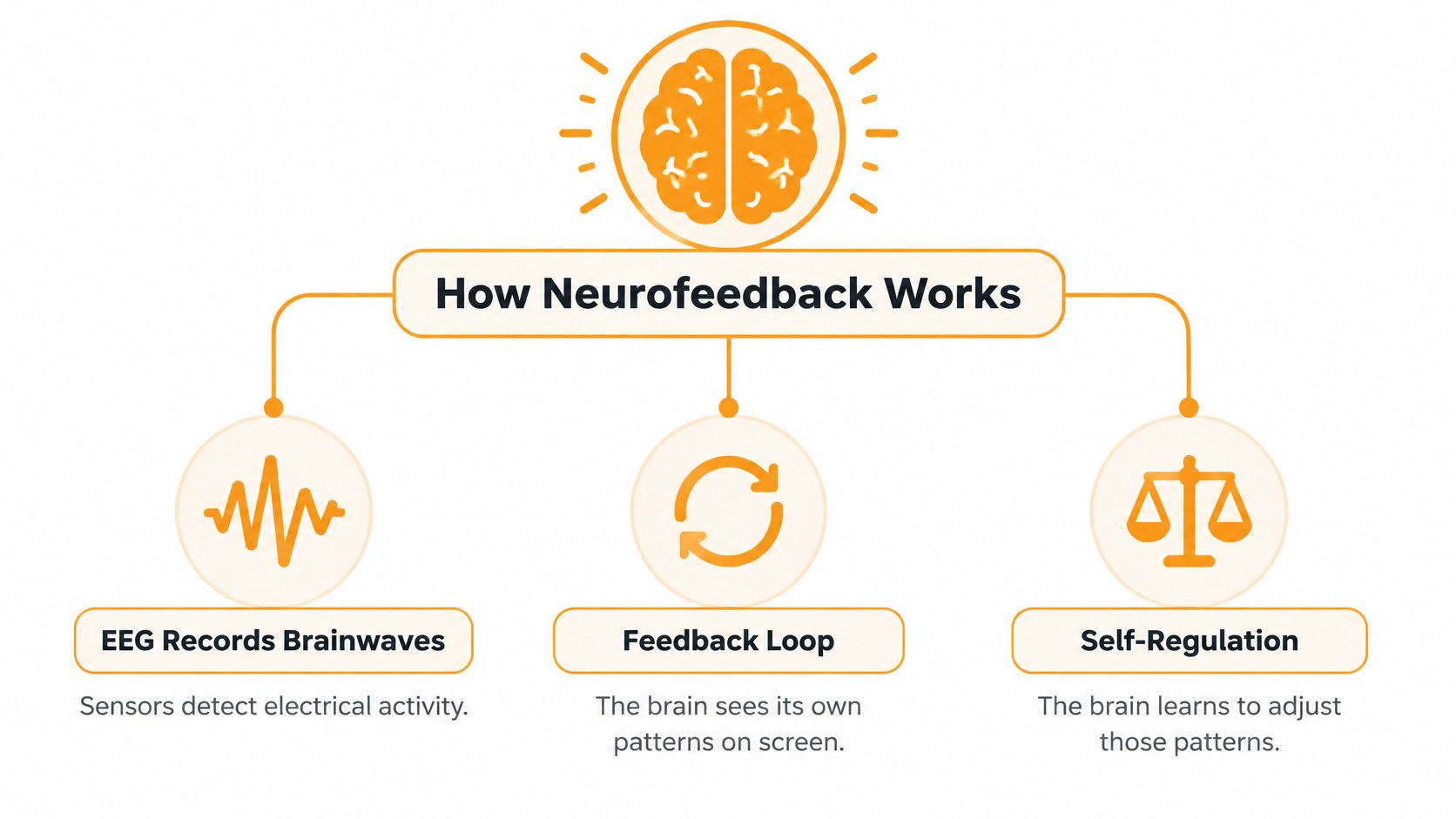
A clinician places small sensors on the scalp to record electrical activity. The sensors do not send electricity into the brain. Your teen watches a video, listens to sounds, or plays a simple game that responds to the recorded activity. The clinician selects training goals based on your teen's needs and reviews how the work connects to life outside the office.

Think of it as guided practice. Your teen receives immediate feedback while working toward goals such as staying focused on homework, settling at bedtime, or recovering after a stressful moment. Learn more about the practice's neurofeedback therapy for teens in Katy, TX.
What is neurofeedback therapy used for in teens?
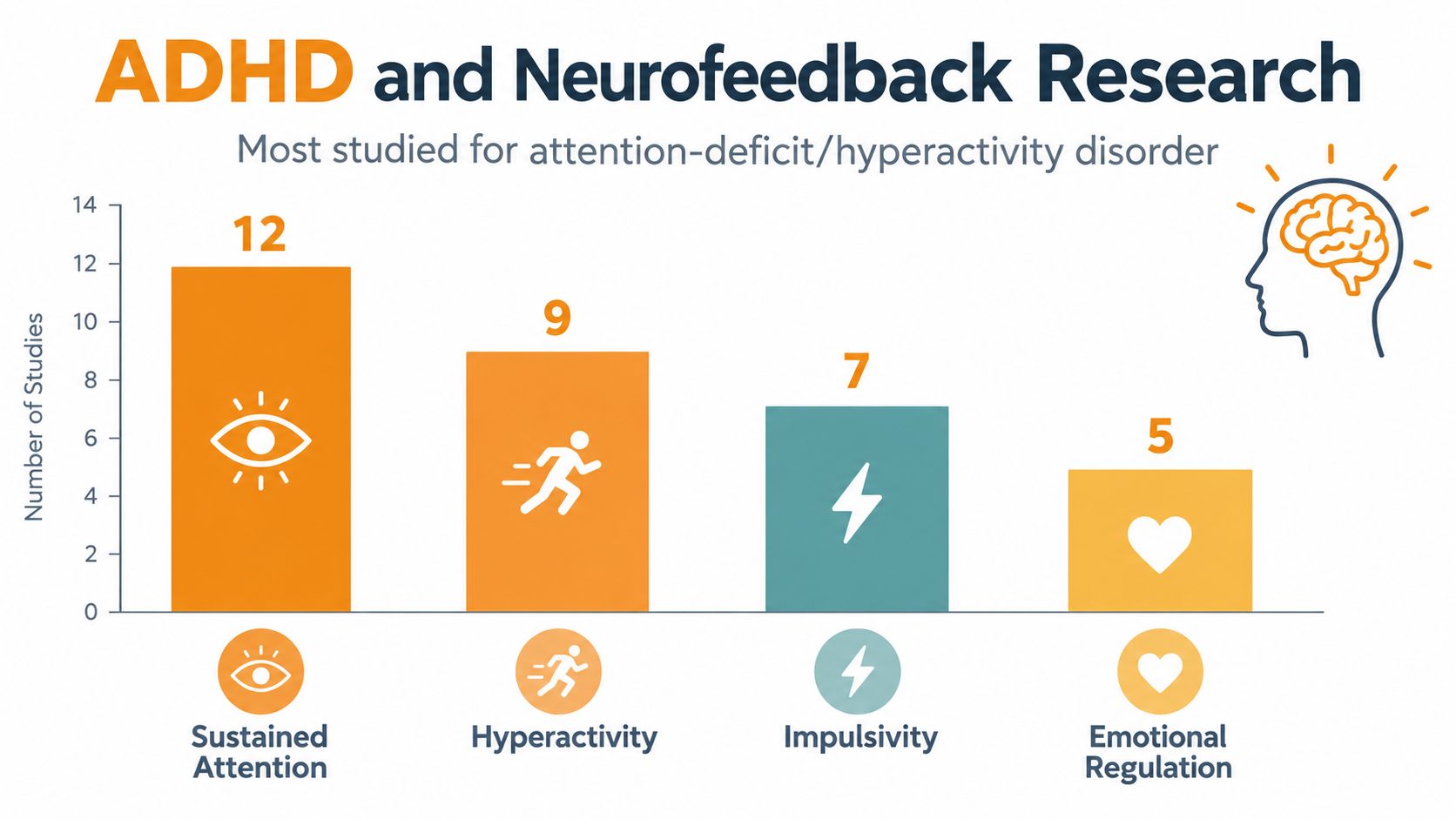
ADHD and attention. Families often seek neurofeedback to work on focus, impulse control, and follow-through. A teen might set a concrete goal, such as starting homework with fewer reminders or staying with a task for longer. ADHD is a common reason families ask about neurofeedback at Katy Teen & Family Counseling.
This video offers another look at how training sessions work:
Anxiety and mood. Neurofeedback sessions can focus on recognizing and practicing responses to stress. For a teen experiencing persistent anxiety, panic, or depression, a clinician can discuss how neurofeedback fits into the broader care plan. Explore the practice's teen therapy and counseling approaches in Katy, TX.
Sleep. When a teen feels wired at bedtime, training goals may focus on settling and self-regulation. Families can pair those goals with a consistent sleep schedule and keep track of practical changes, such as how long it takes to fall asleep.
Autism-related regulation. Some families explore neurofeedback for goals such as managing transitions, sustaining attention, or feeling more comfortable during daily routines. The goal is to support a teen's well-being and functioning, not to change who they are. For more context, see therapy for autistic teens and young adults in Katy, TX.
Can neurofeedback be part of trauma or PTSD care?
Families may ask about neurofeedback when a teen has trouble sleeping, concentrating, or feeling settled after a stressful experience. A clinician can help identify a specific training goal and explain how sessions fit alongside trauma-focused care.

Katy Teen & Family Counseling offers neurofeedback alongside counseling approaches including CBT, EMDR, and ART. If trauma is your teen's main concern, ask how each part of the care plan addresses their needs. This article on helping teens cope with PTSD in Katy, TX can help you prepare for that conversation.
Is neurofeedback a good fit for my teen?
Start with a specific goal your teen understands and wants to work on. You can ask the clinician:
What everyday change will we work toward?
How will sessions fit with current therapy, medication, or school support?
How will we track progress, and when will we review it?
What training informs your choice of protocol?
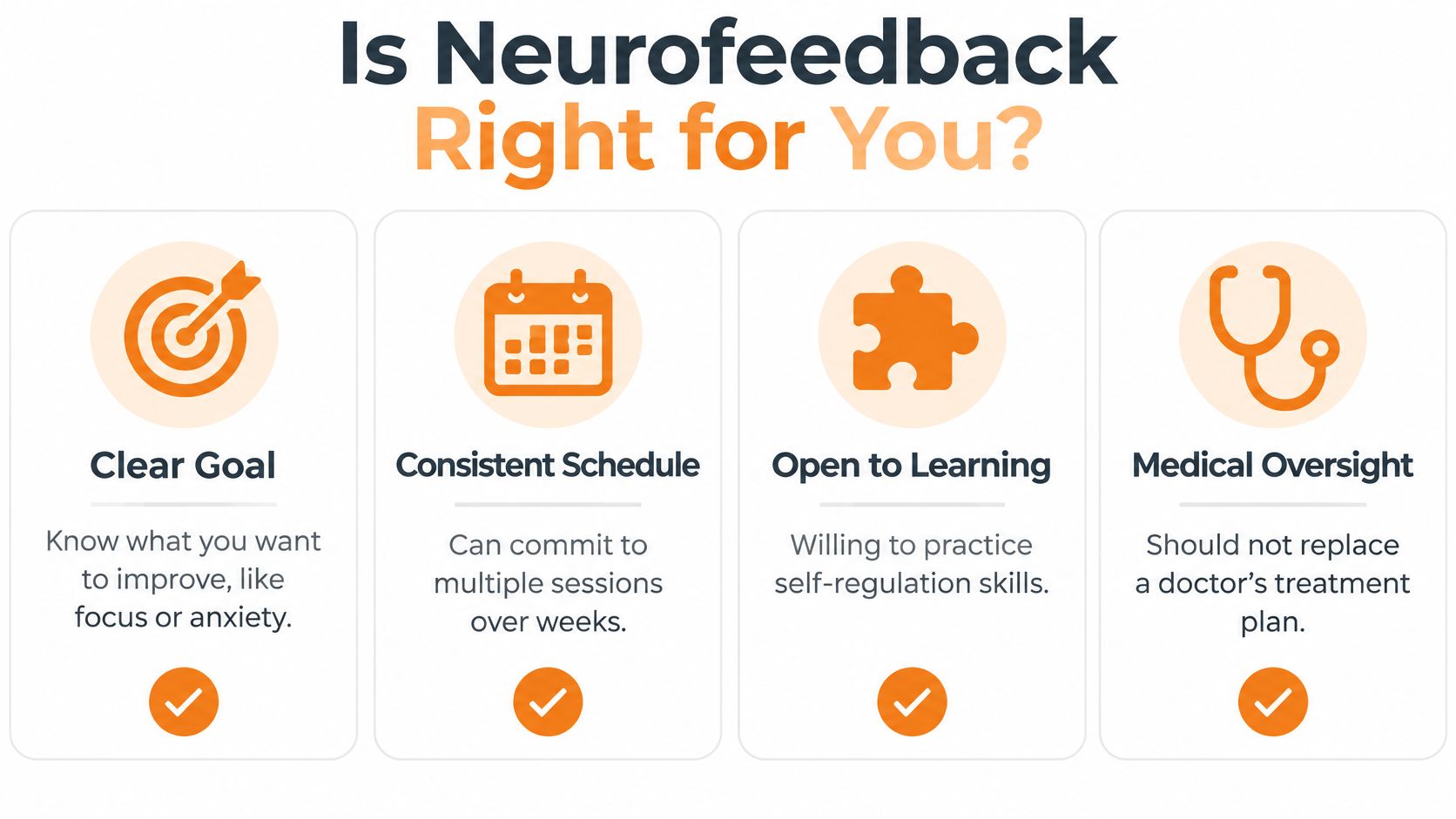
If your teen's symptoms are severe, getting worse, or involve safety concerns, seek prompt mental health or medical care. A clinician can help coordinate neurofeedback with other support your teen needs.
How do you track progress?
Choose two or three measures before the first session. You might track missing assignments, time to fall asleep, frequency of emotional outbursts, or how long it takes your teen to recover after conflict. Review those measures with the clinician at agreed intervals.
The most useful progress markers are the ones that matter to your teen and family: smoother mornings, more manageable homework, better sleep, or a greater ability to reset after a hard day.
Explore neurofeedback for teens in Katy, TX
Katy Teen & Family Counseling offers in-house neurofeedback alongside counseling for teens, young adults, and families. The office is at 23410 Grand Reserve Drive, Suite 401, Katy, Texas 77494. Bring your questions and your teen's goals to a conversation about where to begin.
About the Author: Jason Drake, LCSW, BCN-L, Neurofeedback Therapist in Katy, Texas

Jason Drake, LCSW, BCN-L, is the owner and lead clinician of Katy Teen & Family Counseling. Since 2003, he has worked with teens, young adults, and families facing anxiety, depression, trauma, panic, school stress, bullying, and relationship difficulties.
Jason is board certified in neurofeedback as an Associate Fellow through BCIA, trained in EMDR, and a Certified Brain Health Professional through the Amen Clinics. He also supports therapy teams and teen residential treatment centers and writes about mental health. Find more of his work on the practice's teen mental health articles. His media appearances include Fox 26 Houston and the podcasts Grow a Group Practice, Let's Talk With Jennifer B, and Marketing Matters.


Comments